
Permanent Holiday Lights vs Traditional Christmas Lights for Homes & Businesses | Cost, Install, Maintenance
Holiday lighting plays a meaningful role in how most people, homeowners, businesses, and municipalities experience the winter season. For some, it is about tradition and celebration; for others, it is about visibility, presentation, and creating an inviting environment during darker months. Lighting influences not only how a property looks, but how it feels to those who see and use it.
Two primary options dominate this decision: permanent holiday lighting systems and traditional Christmas lights. Each offers distinct advantages, tradeoffs, and ideal use cases. The right choice between permanent vs traditional Christmas lights depends not only on cost and logistics, but also on aesthetics, flexibility, and long-term intent.
This guide provides a balanced comparison to help property owners and decision-makers choose the option that best aligns with their goals.
What Are Permanent Holiday Lights?
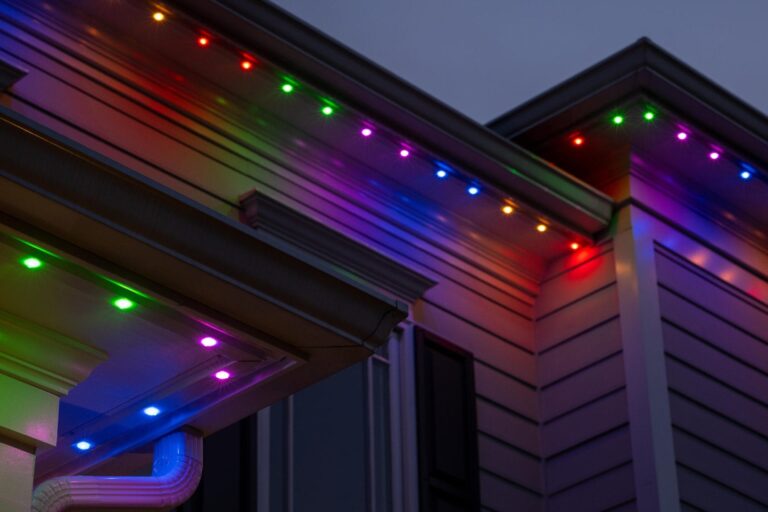
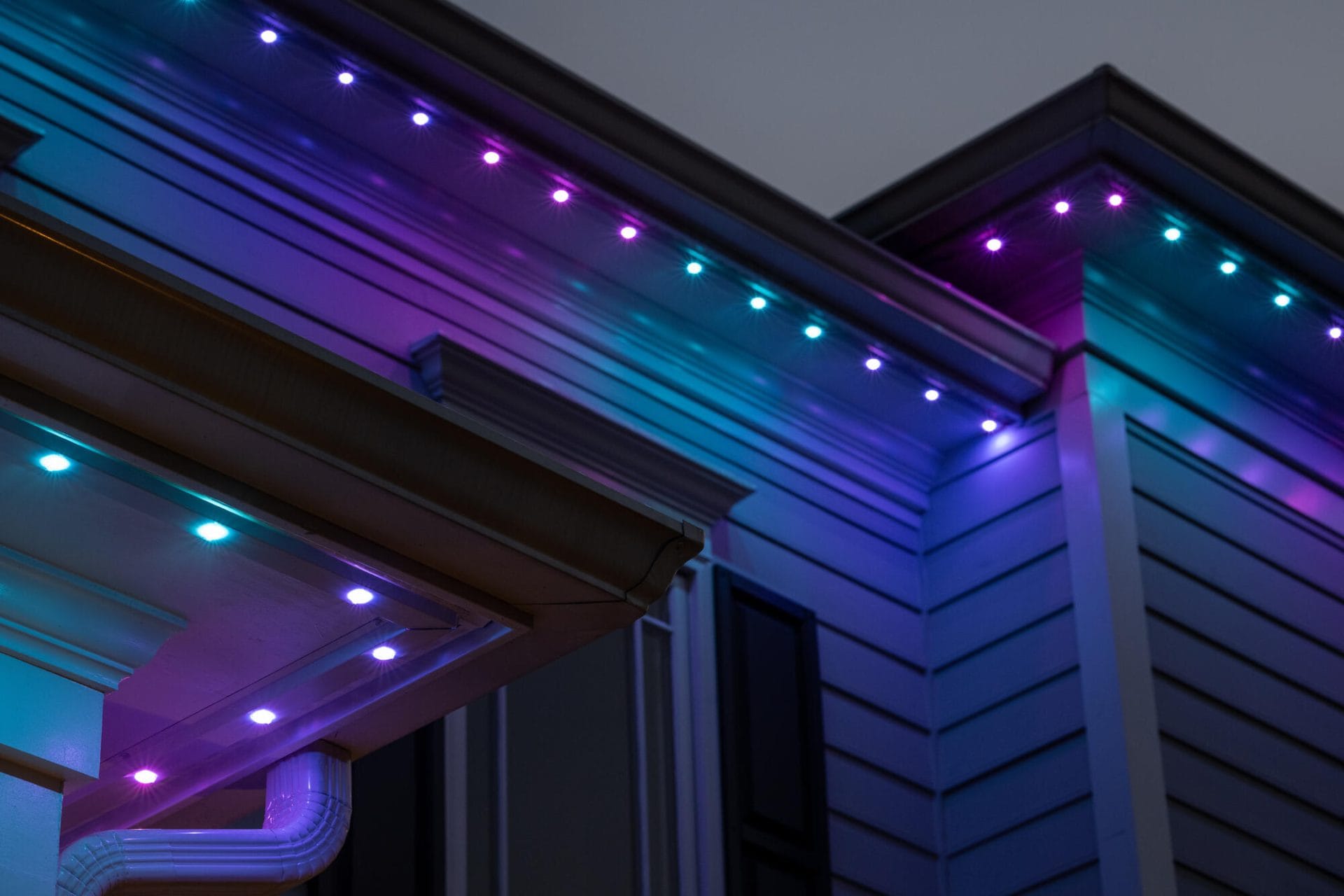
Permanent holiday lights are professionally installed LED lighting systems mounted discreetly along rooflines, architectural edges, or structural features. Once installed, these systems remain in place year-round and are controlled through software or mobile applications.
They allow for programmable colors, patterns, and brightness levels that can be adjusted for holidays, events, branding, or subtle architectural accent lighting. Designed for long-term outdoor use, permanent systems rely on commercial-grade components intended to withstand extended exposure to weather conditions such as snow, ice, wind, and temperature extremes.
One of the primary advantages of permanent holiday lighting is consistency and value. Because the system is integrated into the structure of the building, the lighting maintains a uniform appearance year after year without the variation that can occur with seasonal installation. This results in clean lines, predictable performance, and a polished presentation.
Permanent systems reduce the ongoing labor associated with seasonal lighting. Annual installation, removal, storage, and troubleshooting are largely eliminated, improving safety and reducing maintenance demands, particularly on larger or multi-story properties.
Beyond seasonal use, permanent lighting systems provide flexibility throughout the year. The same system can be adapted for multiple holidays, community events, school or team colors, or subtle architectural accents when decorative lighting is not desired. This extended utility often factors into long-term planning and budgeting decisions.
This approach is often preferred for:
- Residential homes
- Commercial and retail properties
- Municipal and civic buildings
- Multi-building campuses and complexes
- Properties prioritizing safety, consistency, and long-term planning
What Are Traditional Christmas Lights?
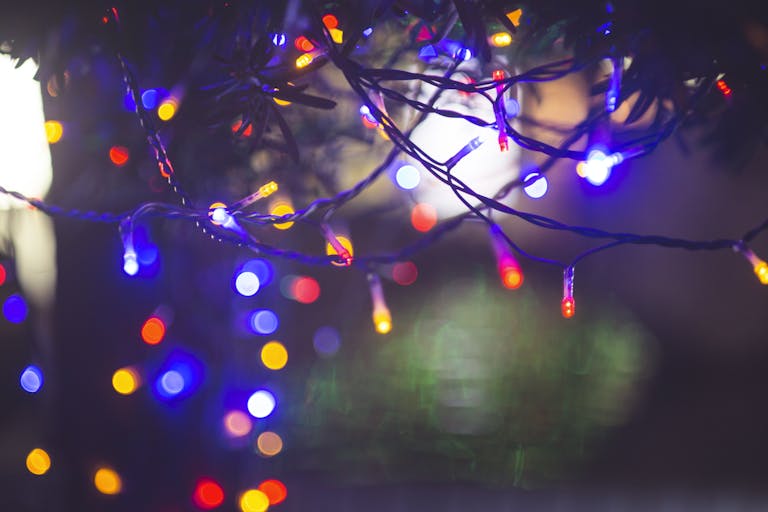
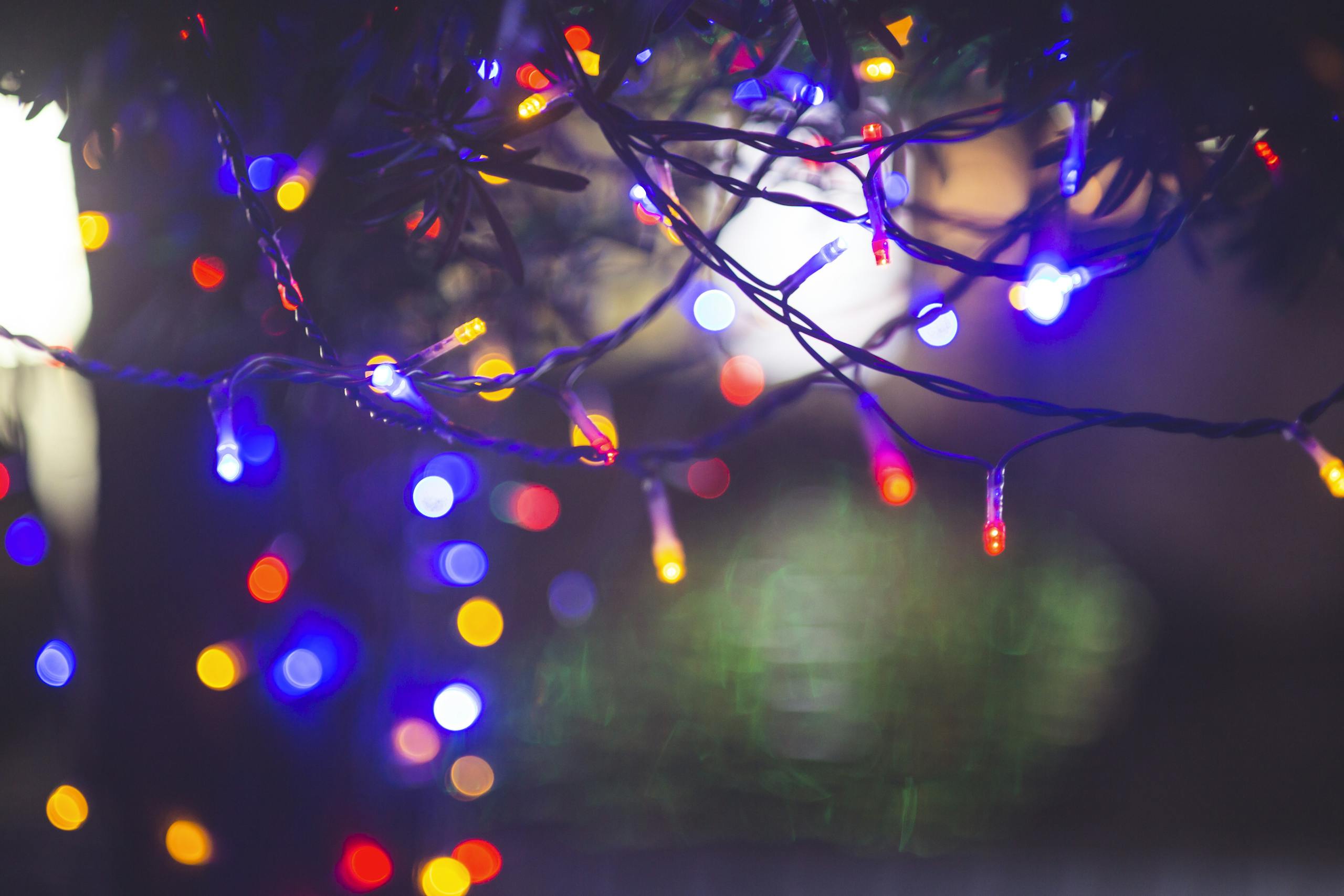
Traditional Christmas lights are seasonal string lights installed temporarily during the holiday season and removed afterward. They typically use incandescent or consumer-grade LED bulbs and are mounted with clips or fasteners that are removed at the end of the season.
While they require more hands-on effort, traditional lights remain popular due to their familiarity, flexibility, and strong emotional associations with the holiday season.
One of the strongest advantages of traditional Christmas lights is their aesthetic character. For some properties, this classic look feels more authentic than modern, highly uniform lighting. The ability to redesign displays each year also appeals to those who value creativity and seasonal variation rather than consistency.
This aesthetic approach is often preferred for:
- Historic buildings
- Community-oriented spaces
- Small businesses emphasizing tradition
- Properties where seasonal charm is a priority
Key Differences at a Glance
| Feature | Permanent Holiday Lights | Traditional Christmas Lights |
|---|---|---|
 |  | |
| Installation | One-time professional install | Installed and removed annually |
| Lifespan | 10+ years | 1–3 seasons |
| Labor | Minimal after install | High recurring labor |
| Customization | Programmable colors and patterns | Fixed or limited color options |
| Storage | Not required | Required annually |
| Weather resistance | Commercial-grade | Consumer-grade |
| Year-round use | Yes | No |
| Aesthetic style | Clean, modern, uniform | Classic, nostalgic, traditional |
Cost, Maintenance, and Long-Term Reliability
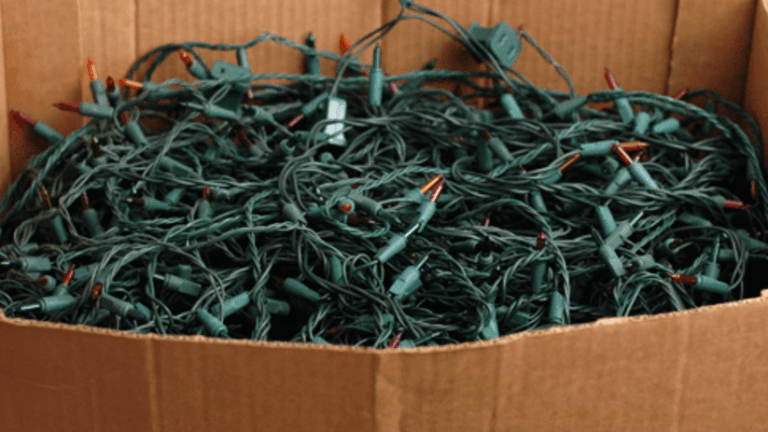
Permanent holiday lighting systems require a higher upfront investment due to professional installation and the use of durable, commercial-grade components. Traditional Christmas lights are significantly less expensive initially.
Over time, however, traditional lighting can result in higher cumulative costs. Annual installation and removal, ongoing storage, and the replacement of failed strands or bulbs create recurring labor and material expenses. Permanent systems eliminate most seasonal labor and reduce replacement frequency, making long-term costs more predictable. For commercial and municipal properties, labor savings can become a meaningful factor within just a few seasons.
From a maintenance and reliability standpoint, permanent lighting systems are engineered for extended outdoor exposure, including snow, ice, wind, and temperature fluctuations. Individual nodes or sections can often be serviced without replacing entire runs, limiting disruption and waste.
Traditional lights are more vulnerable to wear caused by repeated handling and seasonal use. Tangling, weather damage, burned-out bulbs, and connection failures are common as sets age. Annual installation and removal also introduce safety considerations, particularly on larger or multi-story properties where ladder use is required.
Flexibility and Use Beyond the Holidays
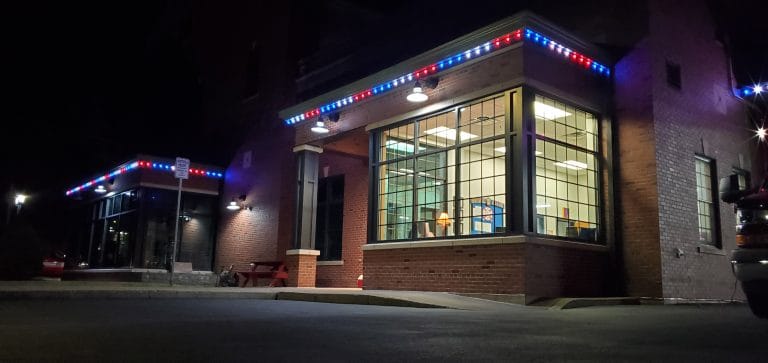
Permanent holiday lights offer value beyond the Christmas season. They can be programmed for:
- National and civic holidays
- School or team colors
- Community events
- Corporate branding
- Subtle year-round architectural accents
Traditional Christmas lights are typically used only during a short seasonal window and provide limited or no value the rest of the year.
Which Option Is Right for Your Property?
Permanent Holiday Lights Are a Strong Fit If:
- The property is owned long term
- Reducing recurring seasonal labor is a priority
- A one-time investment is preferred over annual costs
- Lighting is used for multiple holidays or year-round accents
- A clean, integrated appearance is important
Traditional Christmas Lights Are a Strong Fit If:
- You value a classic holiday look
- The property emphasizes tradition or nostalgia
- Upfront budget flexibility is limited
The right solution depends on how the property is used and managed.
Final Perspective
Permanent holiday lighting systems are designed for consistency, versatility, and long-term use, making them a practical option for properties that value durability and reduced ongoing effort. Traditional Christmas lights continue to play an important role where seasonal character and familiarity are part of the experience.
There is no single solution that fits every property. The right choice depends on how lighting is expected to function over time, how much effort is available for installation and upkeep, and the role aesthetics play in shaping the overall environment. Considering both functional requirements and visual impact helps ensure the lighting choice supports not just appearance, but the experience it creates.