Quiet Lawn Mowers: How Robotic Mowers Make Lawn Care Almost Silent

Most people start searching for quiet lawn mowers because of the noise. Early in the morning or in the middle of the day, a gas mower fires up and takes over the area. The sound carries across the yard, reaches neighboring homes, and cuts through closed windows. Phone calls, TV, music, relaxing outside, and even sleep can all be interrupted.
The good news is that quiet mowing is not wishful thinking anymore. Electric and robotic lawn mowers have changed what lawn care sounds like, and for many homes the difference is immediate. Gas mowers interfere with daily life, while electric and robotic mowers help reduce noise pollution.
In this article, we take a closer look at why gas lawn mowers are so loud, how electric mowers dramatically reduce noise, and why robotic lawn mowers are setting a new standard for quiet lawn care. We also explore how today’s robotic mowers work, how leading brands like Segway Navimow and Yarbo compare, and why proper installation plays a key role in the overall experience.
How loud are gas lawn mowers, really?
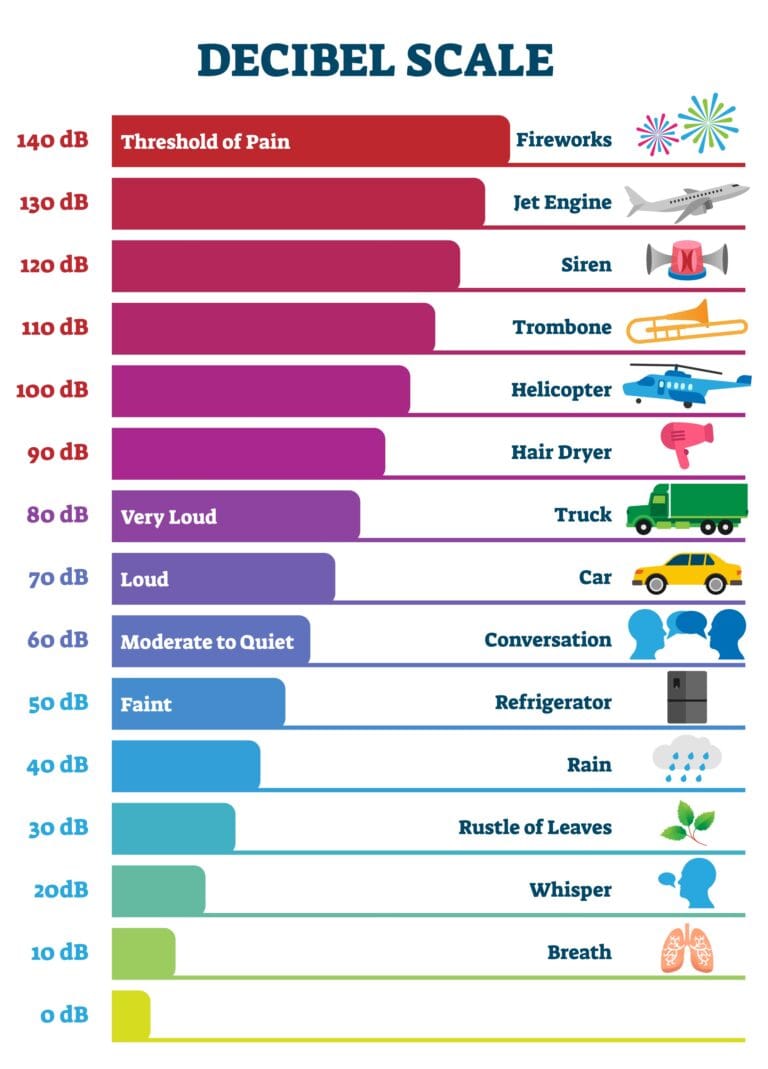
Gas-powered mowers commonly land in the upper 80s to 90s in decibels, and some riding mowers go even higher. Most breakdowns of mower noise levels place typical gas mowers around 85 to 90 dB, with push mowers often in the high 80s to low 90s and riding mowers frequently above that.
That loudness matters because it is not just “annoying.” At these levels, wearing earmuffs or hearing protection is common, and according to the CDC, prolonged exposure to noise above 85 dB can be dangerous to hearing. Many hearing-protection resources flag 85 dB as a level where prolonged exposure can become a concern, and gas lawn equipment frequently exceeds it.
Decibels [dB or dB(A)] are measured on a logarithmic scale, not a linear one. That means each increase of 10 dB represents a much larger jump in sound energy than the numbers alone suggest. To the human ear, a 10 dB increase is perceived as roughly twice as loud. This is why the difference between a 60 dB robotic mower and a 90 dB gas mower feels dramatic, even though the numbers may not seem far apart at first glance.
Why are gas lawn mowers so loud?
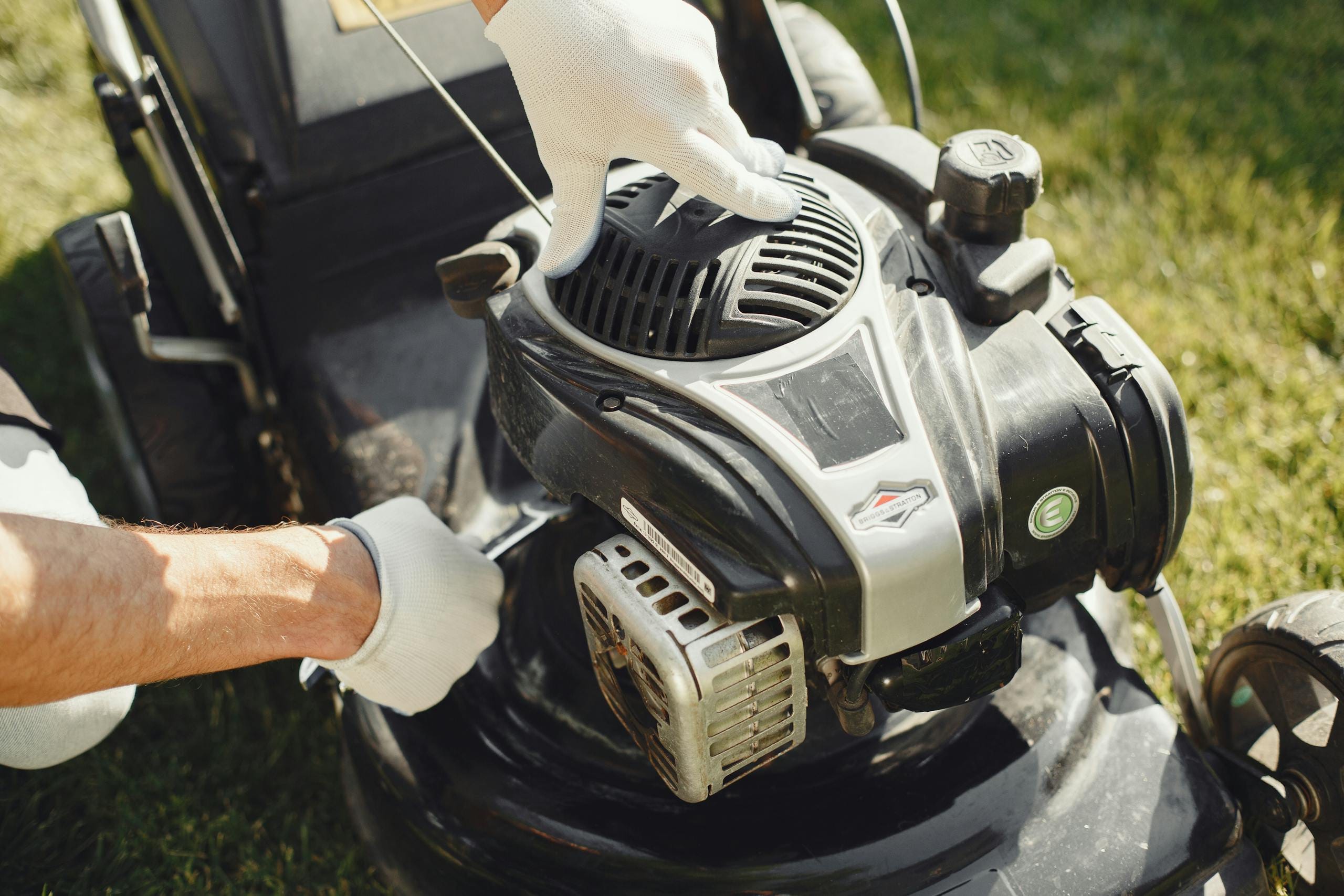
Gas lawn mowers are loud by design. The primary source of noise is the internal combustion engine, which relies on controlled explosions to generate power. That process creates constant mechanical noise, vibration, and exhaust sound that carries far beyond the yard.
On top of the engine noise, gas mowers use larger, heavier blades that spin at high speeds to cut thick or overgrown grass. When those blades hit dense grass, sticks, or uneven terrain, the load on the engine increases, causing the mower to rev louder and fluctuate in sound. This combination of engine strain and blade resistance creates the sharp, aggressive noise most people associate with gas mowing.
Why electric mowers feel so much quieter
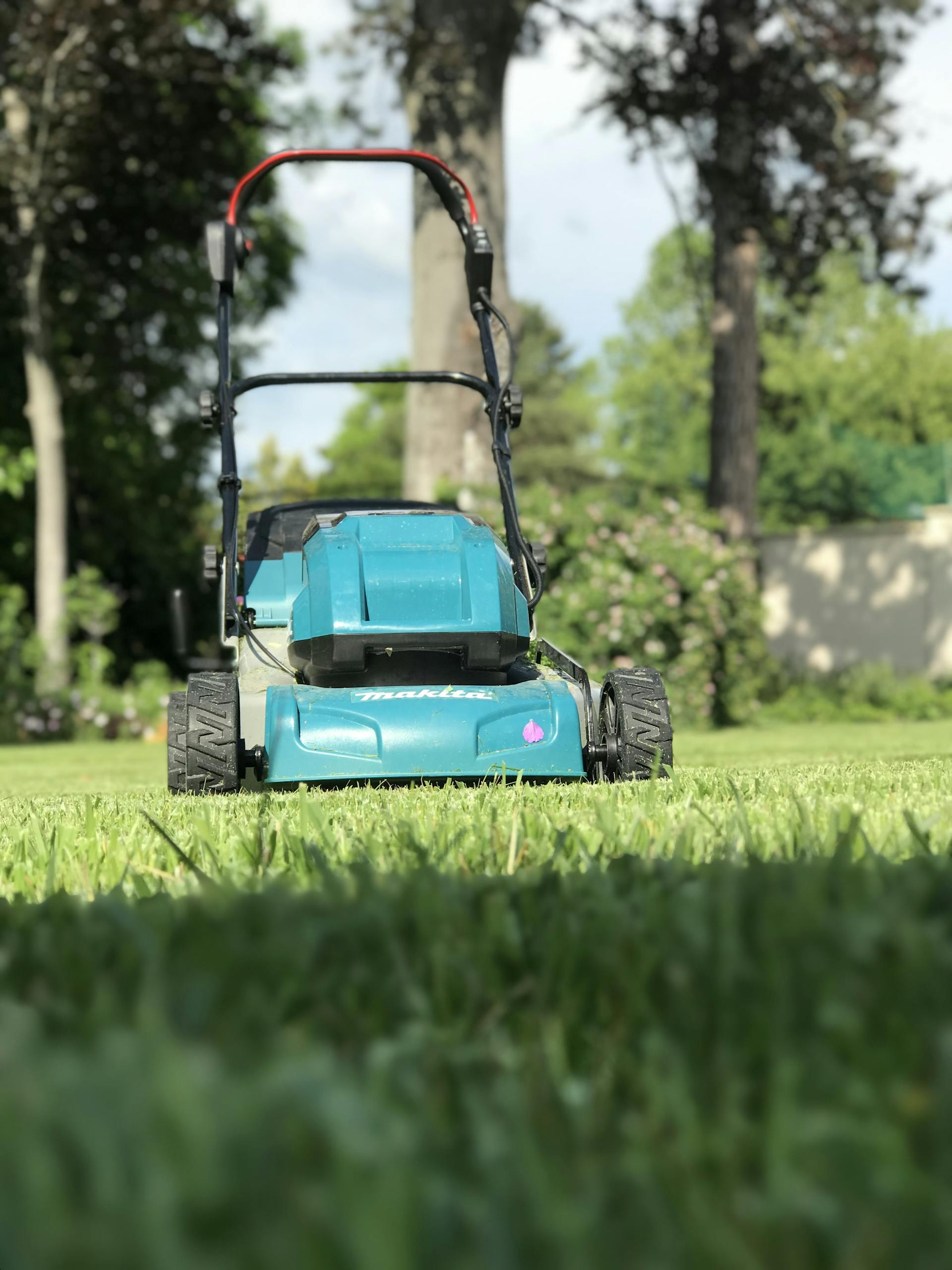
Electric lawn mowers remove the combustion engine from the equation. That alone reduces the harshness, vibration, and changing throttle noise that makes gas mowing so intrusive.
Noise levels vary by model, but electric mowers are often described as operating in a noticeably lower band than gas. One manufacturer-focused write-up cites electric mowers commonly operating around 56 to 80 dB. The result is a different experience: instead of an engine roar that carries down the street, you get a more controlled sound that tends to stay closer to the source. Electric mower noise is typically less sharp and less aggressive, so it feels less disruptive even when you are standing relatively close.
Robotic lawn mowers take quiet lawn care even further
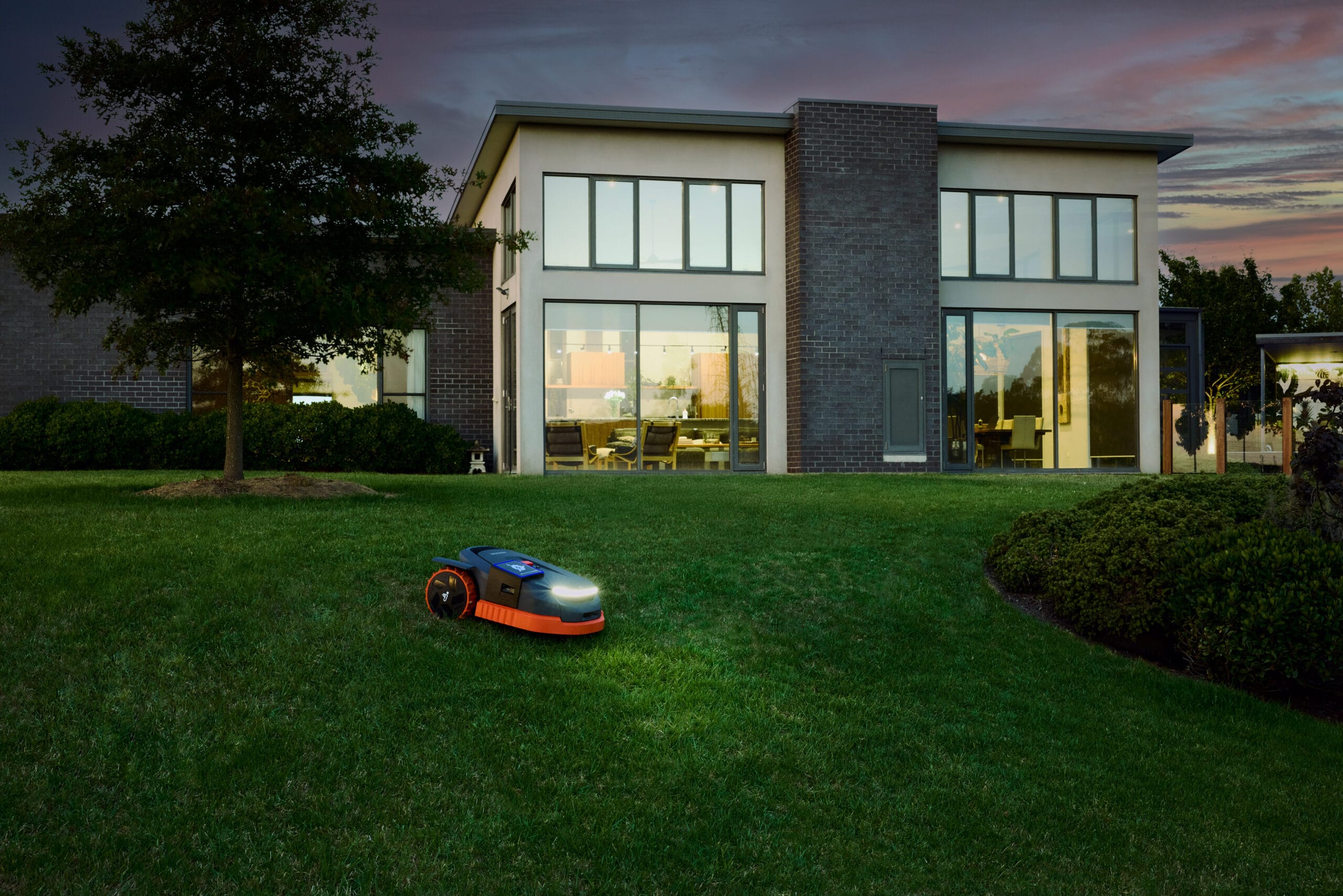
If you want the biggest jump in quiet, robotic lawn mowers are the future of lawn care. They offer all the noise-reduction benefits of electric mowers, without the need to push, steer, or be present at all. Many leading robotic mowers are designed to operate around 50-60 dB, which is closer to the sound level a conversation or dishwasher than traditional lawn equipment.
How robotic lawn mowers work
Robotic lawn mowers work differently than traditional mowers. Instead of cutting a large amount of grass all at once, they maintain the lawn continuously by trimming small amounts on a regular schedule. This keeps the grass at a consistent height and reduces the strain on the mower, which is one reason they operate so quietly.
Electric motors and cutting systems
Robotic lawn mowers rely on electric motors paired with lightweight cutting systems and controlled blade speeds. Because they are maintaining the lawn rather than tackling tall, overgrown grass, they do not need high-powered engines or aggressive blade action. Noise and vibration are kept to a minimum, and in everyday use the mower blends into the background rather than dominating the yard.
Navigation and mapping
Navigation is handled through a combination of GPS, cameras, sensors, and onboard software, depending on the model. Once the lawn is mapped, the mower knows exactly where to cut, which areas to avoid, and how to move efficiently through the yard. The system operates autonomously, returning to its charging base when needed and resuming mowing automatically.
Scheduling and hands-free operation
Because robotic mowers are electric and quiet, they offer far more flexibility than traditional equipment. They can be scheduled to run early in the morning, during the day, or in the evening without taking over the yard. Instead of planning your schedule around mowing, the mower quietly handles lawn maintenance in the background.
Leading innovation in robotic mowing
Segway Navimow and Yarbo are two of the leading brands driving innovation in the robotic lawn mower market. Both deliver advanced navigation, quiet operation, and hands-free lawn maintenance designed for modern homeowners. With each new generation, these systems continue to introduce smarter mapping, improved obstacle detection, and better performance in complex and real-world yard conditions.
Segway Navimow robotic lawn mowers



Segway entered the robotic lawn care market with Segway Navimow by leveraging its long-standing expertise in robotics, sensors, and autonomous navigation. Known globally for engineering-driven personal mobility products, Segway brought that same emphasis on precision, safety, and reliability to Navimow. Since launch, Navimow has earned a strong reputation for wire-free installation, stable GPS/LiDAR navigation, and consistent real-world performance, positioning the brand as a premium, technology-forward option in the robotic mower category.
How quiet are Segway Navimow robotic lawn mowers?
Across the Segway Navimow lineup, maximum noise output remains well below traditional gas mowers:
- Navimow i Series: rated at max 58 dB(A)
- Navimow i2 Series: rated at max 59 dB(A)
- Navimow X Series: rated at max 60 dB(A)
- Navimow H Series: rated at max 60 dB(A)
- Navimow Terranox Commercial Series: rated at max 68db(A)
Yarbo robotic lawn mowers

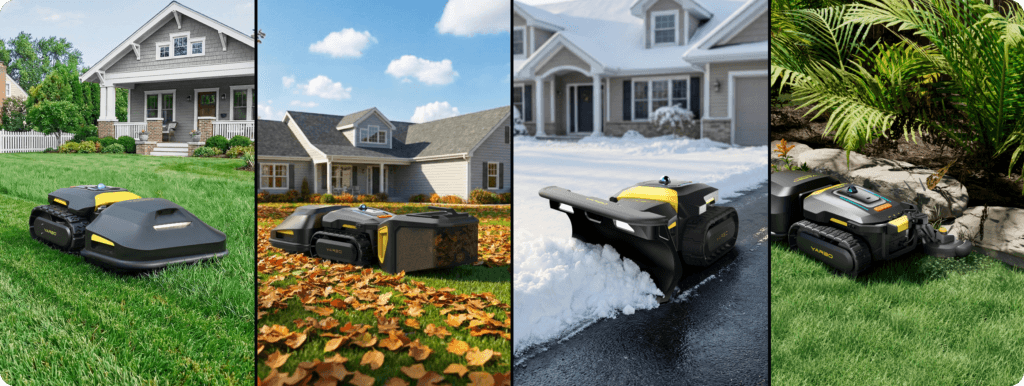
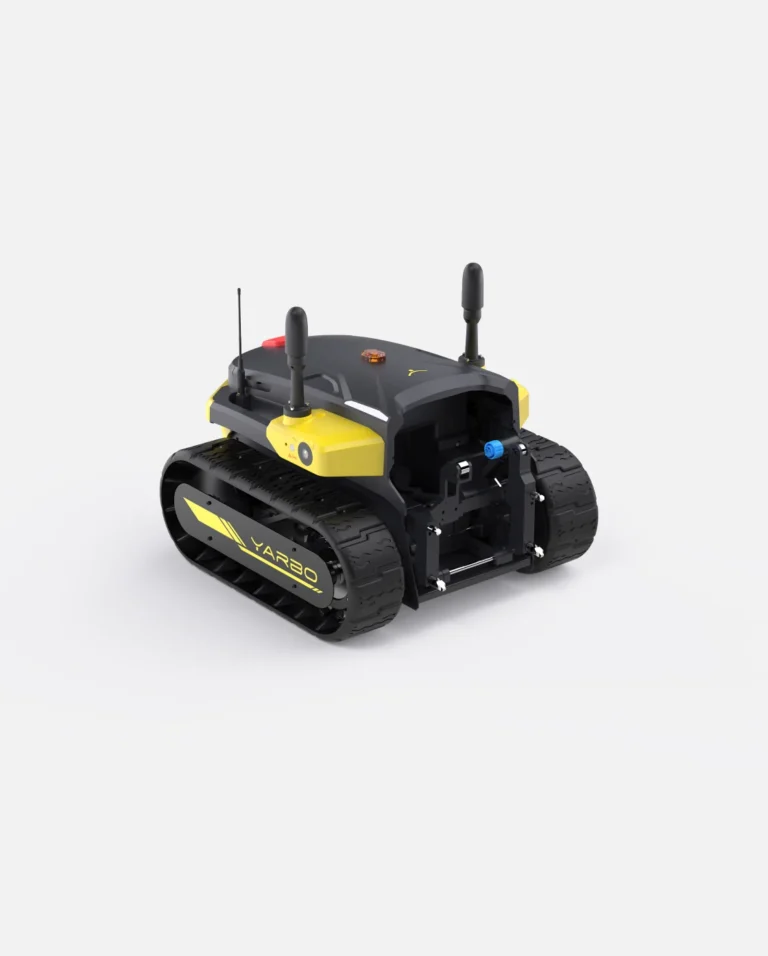
Yarbo entered the robotic outdoor equipment market with a modular autonomous platform by applying its expertise in robotics, electric drive trains, and intelligent control systems. The Yarbo lawn mowers work using similar types of technology as Navimow models such as RTK and GPS navigation. Though rather than focusing on a single-purpose mower, Yarbo emphasized adaptability and year-round yard maintenance, engineering its system to support lawn mowing and trimming, snow blowing and plowing, as well as leaf blowing and debris collection.
How quiet are Yarbo robotic lawn mowers?
Like the Segway Navimow mowers, the Yarbo mowers also have quiet noise ratings well below gas mowers.
- Yarbo Lawn Mower: rated at max 60dB(A)
- Yarbo Lawn Mower Pro: rated at max 60dB(A)
Professional robotic installation available
Professional installation by The Green Team ensures your robotic mower is properly placed, mapped, and configured for your property. For installation pricing or scheduling, Contact Us, or Learn More about robotic mower installation services.
The bottom line
Gas mowers are loud in a way that changes your whole yard experience, and the numbers back up what your ears already know. Electric mowers step the noise down and feel far less intrusive. Robotic mowers go further, commonly operating around 60 dB and with distance they can become barely noticeable once they are working across the yard.
If your goal is quiet, consistent lawn care with as little disruption as possible, robotic mowing is one of the most practical upgrades you can make. If you want the next step, explore Yarbo and Navimow options and consider professional installation to ensure the mower is mapped and configured correctly from day one.